Rent, home prices, and utility bills are skyrocketing. State and local leaders have the tools to lower costs for struggling families while reducing pollution and improving our health.
It’s a myth that we have to choose between affordability and climate action. With the right policies in place we can reduce costs and lower emissions.
We outline four key solutions to address housing and energy costs that will lower costs now and for the long term, while benefitting our climate and health.
Build more housing and drive down costs for everyone. Housing in the U.S. is too expensive primarily because there are simply not enough homes to rent or buy.
Make housing clean and efficient to lower costs. When we build new housing, we should make it clean—it’s cheaper and better for everyone!
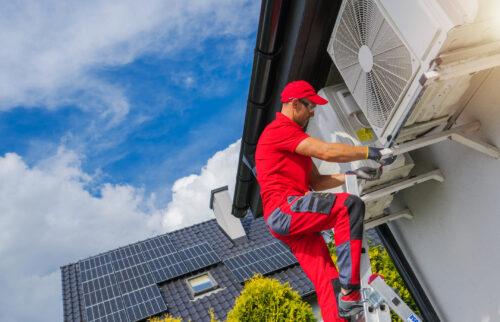
Provide support for upgrading homes to achieve big savings. Heat pumps lower utility bills for most households, especially homes heating with propane, fuel oil, and electric resistance.
Stop wasting money on outdated gas infrastructure. States need to rein in wasteful spending on gas infrastructure, which caused gas bills to rise at four times the rate of inflation in 2025.
Americans are facing an affordability crisis, and elected leaders must act now to help reduce costs and reduce inequality so families can thrive.
Housing and utility bills are the biggest expense areas for most Americans—more than food, transportation, and medical costs combined. More than 42 million U.S. families are “cost-burdened,” meaning they spend more than 30 percent of their income on housing, and one in four renters pay more than 50 percent of their income on housing. These extreme burdens often result in unacceptable choices—families forgoing everyday needs like food and healthcare—just to keep a roof over their heads.
Meanwhile, President Donald Trump is throwing fuel on the fire and raising the cost of housing and energy, despite his campaign promises to do the opposite. We don’t have to choose between affordability and climate action—these days, lowering costs and lowering pollution are often one and the same.
Here are four big actions states and local governments can take now to support clean, efficient housing that will save people money, reduce pollution, and improve health.
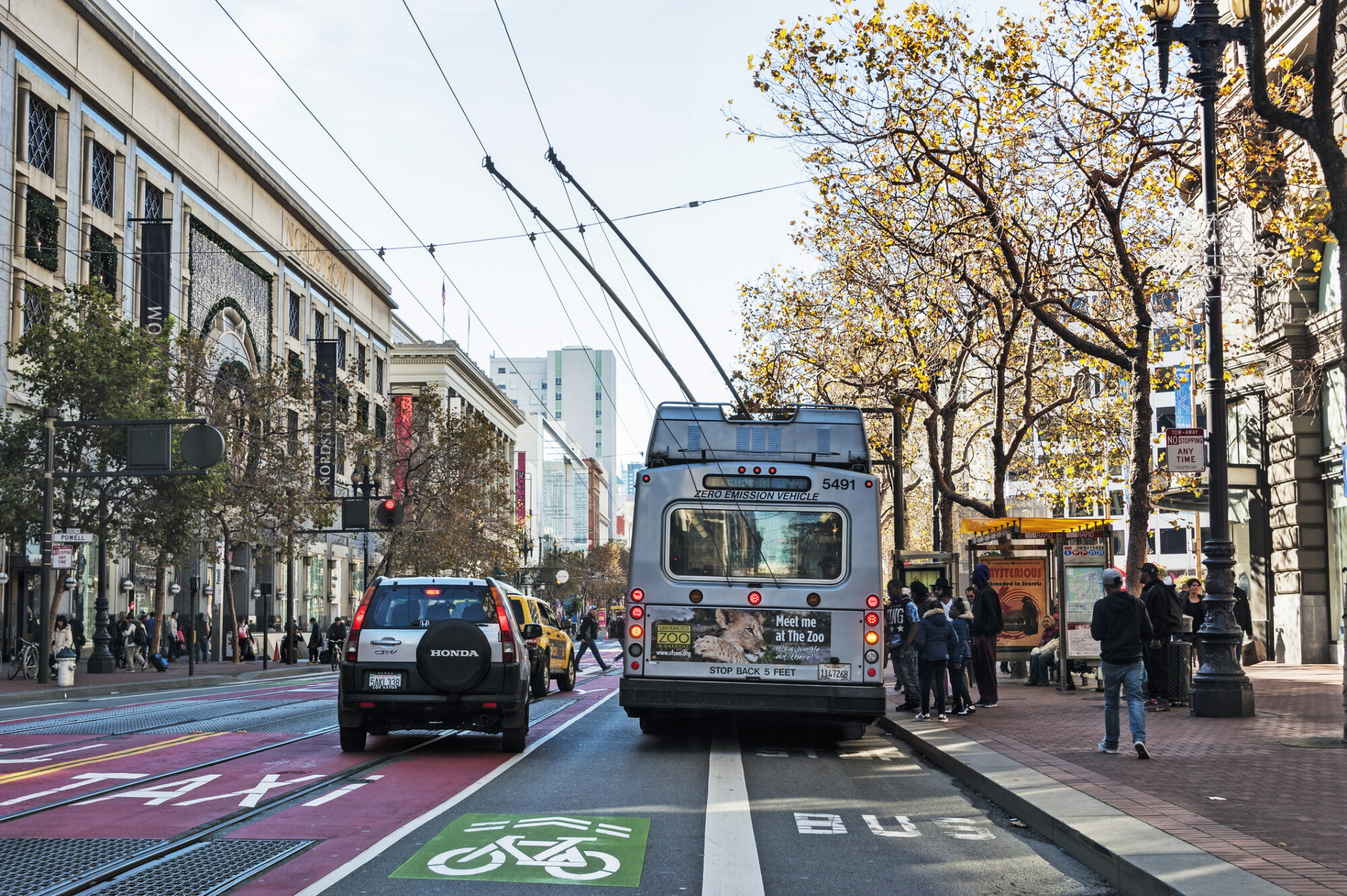
Development should focus on connecting residents to diverse mobility options, with integrated housing and transportation plans coordinated by local governments.
Build more housing and drive down costs for everyone
Housing in the U.S. is too expensive primarily because there are simply not enough homes to rent or buy. The U.S. is missing four to seven million homes due to a slowdown in construction over the last two decades, leaving a growing population competing for fewer homes and driving up prices. Key members of our communities—teachers, childcare providers, service and retail workers—struggle to find homes they can afford near where they work.
State and local governments need to make it easier to build smaller, more affordable homes like duplexes, triplexes, and fourplexes, and to allow people to convert basements or garages into apartments for family or neighbors to rent. Diversifying and expanding the housing stock will lower rents for everyone and give more people a chance to own their homes and build economic stability.
We also need to build housing where it is needed most—in convenient, connected communities where people can easily and affordably get to work, school, the grocery store, and the doctor’s office. That means building more homes near jobs and transit, which reduces commute times and improves people’s happiness and well-being.
When we build new housing, we should make it clean—it’s cheaper and better for everyone! More efficient buildings are cheaper buildings. All-electric homes are cheaper to build and, in most cases, cheaper to operate than homes with fossil fuel appliances. This holds true across all types of housing: single-family and multi-family, affordable and market-rate, and manufactured and built on-site.
More than 80 percent of homes would see their utility bills go down if they installed a heat pump. This is especially true for the more than one in five American homes that waste money heating with propane (4 percent), fuel oil (4 percent), and electric resistance heaters (14 percent). These households can save $1,000 per year by upgrading to modern, efficient heat pumps, which are two to four times more efficient than what they replace. For families in rural communities where propane and fuel oil are common, this can mean significant savings—and more money to help families and communities thrive.
While the upfront costs of some of these upgrades remain high, states, municipalities, and utilities can and should provide incentives and work with manufacturers and contractors to bring costs down. Low-cost financing can also help households make these money-saving improvements. State regulators should support Inclusive Utility Investment, which allows utilities to offer free or low-cost upgrades to customers with no credit restrictions, recouping costs from the bill savings. Green Banks can also provide low- and zero-interest loans to support families making these money-saving upgrades.
As more people are upgrading to heat pumps, fewer gas customers using less gas will be paying to maintain aging infrastructure—meaning higher and higher costs per customer. This is a serious risk for households stuck on the gas system as prices rise. It’s critical that we act now to support a smooth transition.
That means states need to deliberately study and question the “future of gas.” And, they should require utilities to submit integrated resource plans that examine both gas and electricity systems and chart a path toward an affordable future—one that isn’t pouring billions into maintaining and expanding an aging network of pipes to keep us hooked on expensive methane gas. States should also stop subsidizing gas in new buildings by ending Line Extension Allowances, which could save customers $2 to $7 billion. Utilities should also be required to consider “non-pipeline alternatives” (NPAs) for both gas mains and service lines, which can save ratepayers money by electrifying whole neighborhoods at once rather than wasting money to upgrade old pipes.
States also need to shift their efficiency investments by updating their Energy Efficiency Resource Standards to allow fuel switching and drive electrification. They could go further, as Maryland is considering, by implementing a Clean Heat Standard, that requires gas, propane, and fuel oil providers to supply an ever increasing amount of clean heat, including through electrification. These policies can drive funding to support households in upgrading their homes, while policies like Building Performance Standards and Zero Emission Heating Equipment Standards set clear market transformation trajectories for upgrading buildings and heating appliances.
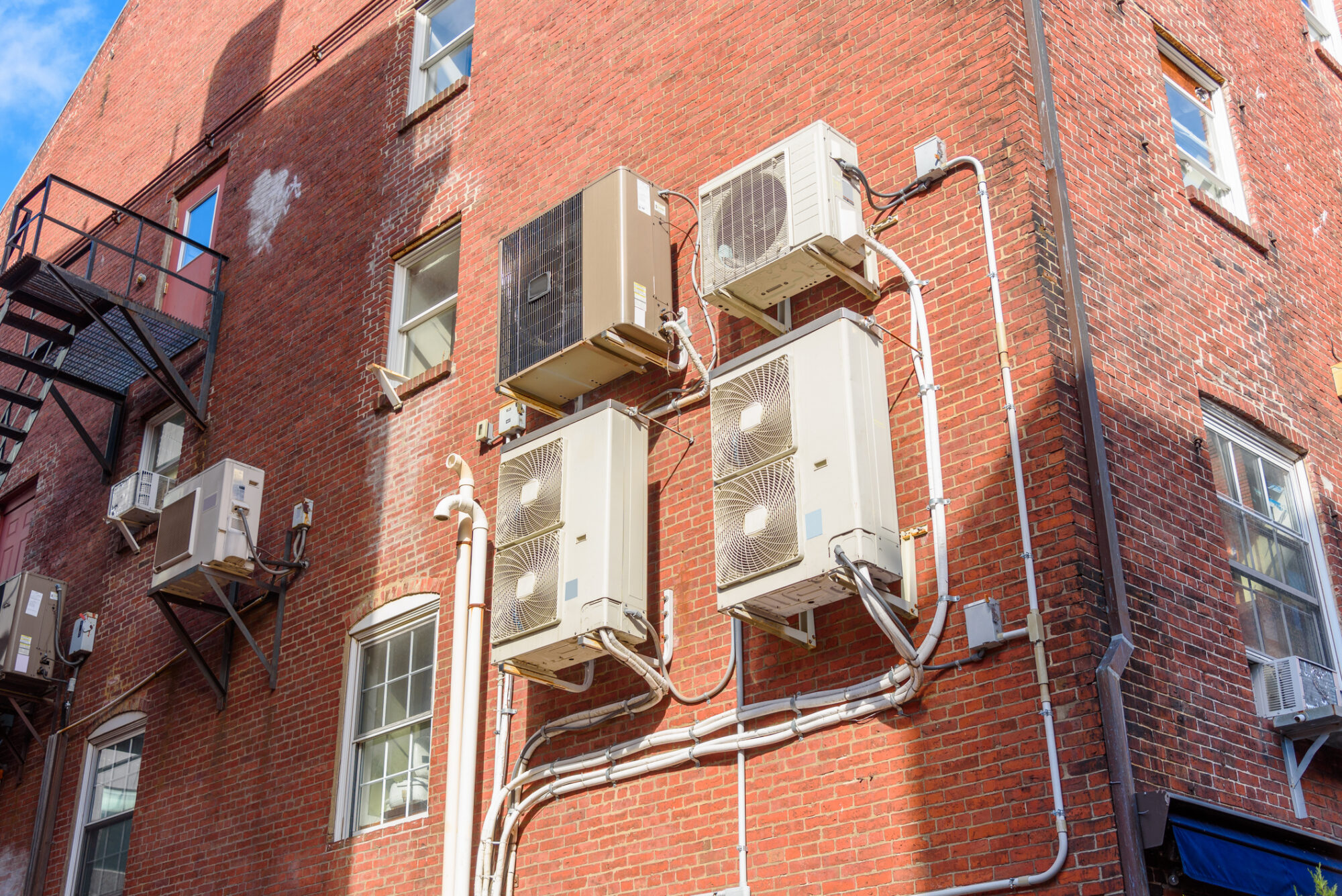
All-electric homes are cheaper to build and, in most cases, cheaper to operate than homes with fossil fuel appliances. This holds true across all types of housing: single-family and multi-family, affordable and market-rate, and manufactured and built on-site (Image: Albert Pego via Getty Images).
Conclusion
American households do not need to suffer from high costs. State and local governments can act now to bring down housing costs by building more housing, ensuring these homes are clean and affordable, helping families upgrade their homes to lower their bills, and stopping utilities from wasting ratepayers’ money on an outdated gas system.
More and more, families are already saving money with heat pumps, with sales continuing to rise and already exceeding furnace sales for the past three years. And the technology keeps improving every year—cold climate heat pumps now deliver efficient heating at below zero temperatures, window heat pumps bring efficient heating and cooling to apartments, and 120-volt heat pump water heaters make retrofits easy. With creative financing options like Inclusive Utility Investments, states can help families cover upfront costs, lowering bills and pollution for us all.
There is no reason to wait. Saving money can go hand in hand with reducing pollution and improving our health. Clean energy is cheap energy. Efficient homes are affordable homes.