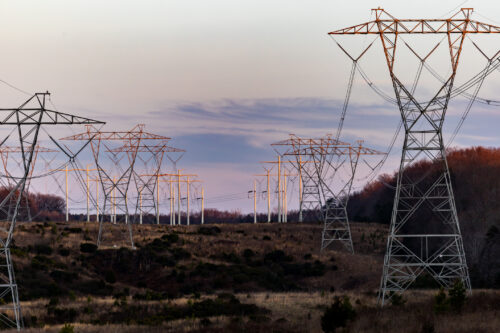
After nearly four years, PJM Interconnection, the nation’s largest regional transmission organization, is finally reopening its interconnection queue to new generation projects seeking to connect to the grid. This is an important—and overdue—milestone. However, clearing a backlog is not the same as fixing the structural problems that caused it. Two fundamental barriers remain.
To make the grid work for the long term and protect consumers from rising costs, PJM must:
Meet the faster interconnection timelines required by FERC order no. 2023;
Deploy advanced software and automation to accelerate study timelines;
Proactively build transmission and reform how costs are allocated for grid upgrades during interconnection; and
Reform the energy-only interconnection pathway to get power online more quickly.
The stakes are high: PJM’s interconnection delays are already driving up energy costs for consumers and businesses by constraining new supply and pushing capacity market prices upward. According to analysis by Synapse Energy Economics, fixing the interconnection queue could save residential ratepayers an average of more than $500 a year through 2040. Reopening the queue is necessary, but not sufficient to restore a functioning market.
$500+The average residential ratepayer savings per year through 2040, if PJM's interconnection queue saw reform. Synapse Energy Economics
How we got here
Over the past decade, PJM’s interconnection queue ballooned to over 200 GW of projects waiting to connect as the organization struggled to keep up with the surge of clean energy projects. In 2022, PJM closed the queue to reform the review process, study the backlog of projects in clusters, and clear the queue. PJM claims to have “processed” more than 170GW of new generation project requests since 2023, but this figure is misleading: most of these projects withdrew, often after waiting years for review. As a result, very few projects have come online in the past five years. Meanwhile, generation projects submitted after 2022 have not yet begun the study process to get approval.
The impact of this failure to connect projects to the grid has directly increased costs for consumers. Analysis by Grid Strategies’ finds that connecting just 15% more of the projects in the PJM queue would have lowered PJM’s 2025/2026 capacity market auction by as much as $7 billion.
PJM has taken some steps in the interim to fast track certain projects including the Reliability Resource Initiative (RRI). Proposed in December 2024, the RRI is supposed to be a one-time measure to address immediate resource adequacy shortfalls over the next five years by allowing certain projects, primarily gas, to jump the queue. Even with effectively tilting the process toward fossil fuel projects, many of these projects will still not come online until after 2029 – completely missing the immediate capacity crunch the region faces before the end of the decade. Moreover, these projects are already beginning to drop out of this fast track at similar rates to the regular queue. PJM has recently proposed another bandaid fix, the Expedited Interconnection Track (EIT), which would fast track large projects for interconnection, but would again put clean energy projects, which tend to be smaller in scale, at a disadvantage.
FERC Order 2023
The Federal Energy Regulatory Commission (FERC) issued Order No. 2023 (in July 2023), establishing federal requirements for interconnection reform, including a “first-ready, first-served” cluster study approach, binding study deadlines with financial penalties for noncompliance, and requirements to evaluate grid-enhancing technologies. FERC has approved PJM’s Order 2023 compliance plan, under which PJM commits to completing interconnection studies within 480 days. This promise of a one- to two-year study timeline is meaningful progress, but PJM has lagged behind other grid regions in implementing this order and modernizing the study process. This new timeline should be treated as a floor, not a ceiling. With new automation software that can complete studies in a matter of weeks or months, PJM should strive to complete interconnection studies much more quickly.
Transmission network upgrade costs are pricing out viable projects
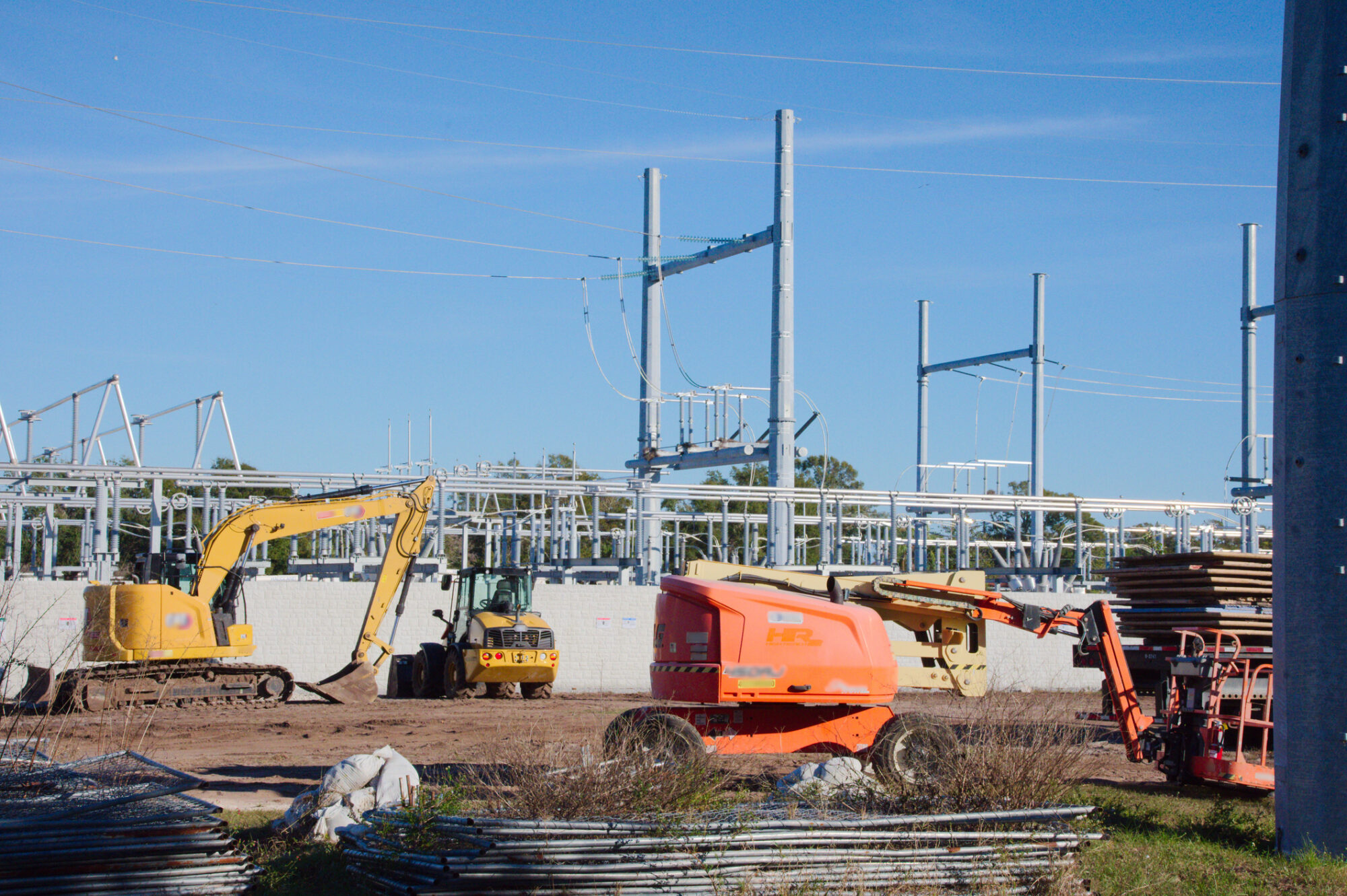
Even after successfully navigating the queue, many projects face prohibitive transmission network upgrade costs. These are the grid upgrades that PJM determines as necessary to connect new generation to the grid. The project developer is responsible for the full costs of these upgrades including new transmission lines, substations, and modifications to existing infrastructure even when they will benefit future projects and the grid overall. According to NRDC analysis, the average cost of necessary network upgrades is $28 million. And as of 2023, interconnection costs for projects in the queue have increased by 800 percent (from 2018 to 2022) according to the U.S. Department of Energy.
These network upgrades also add years to project timelines. PJM is facing these long and expensive network upgrades because it has failed to proactively plan and build regional transmission lines through the long-term planning process. Charging one new project for large transmission lines that benefit the whole region is inefficient and inequitable. It’s akin to charging the last car entering a congested highway for the full cost of adding a new lane. These unsustainable cost increases and delays are driving droves of projects out of the queue and compounding the region’s affordability challenges.
Image: Delbert Harper via Getty Images
State leadership needed on siting and permitting reform
PJM’s prolonged interconnection queue timelines and high network upgrade costs are urgent barriers to meeting the region’s unprecedented surge in electricity demand, but states have an important role to play. State siting and permitting reforms that provide greater timeline certainty and reduce project risk would lower costs and improve project viability. It is essential that policymakers evaluate every stage of the development pipeline—from permitting to construction—to ensure projects can be built on time and at reasonable cost, while maintaining environmental stewardship. State utility commissioners can also use rate cases and integrated resource planning processes to signal demand-side expectations and hold utilities accountable for procuring interconnected resources in a timely manner.
The Path Forward
Now that PJM’s queue is finally reopening to new generation projects, the focus must shift from backlog reduction to structural reform. Without sustained changes, the queue risks refilling and costs will continue to rise.
PJM has finally taken the important step of reopening its queue to new projects. But that does not mean Mission Accomplished. The queue reopening is only the starting point. Without faster studies and structural reform, the region will continue to face rising prices and constrained supply. But with deeper, sustained action, PJM can deliver the affordable, reliable grid states and consumers need.