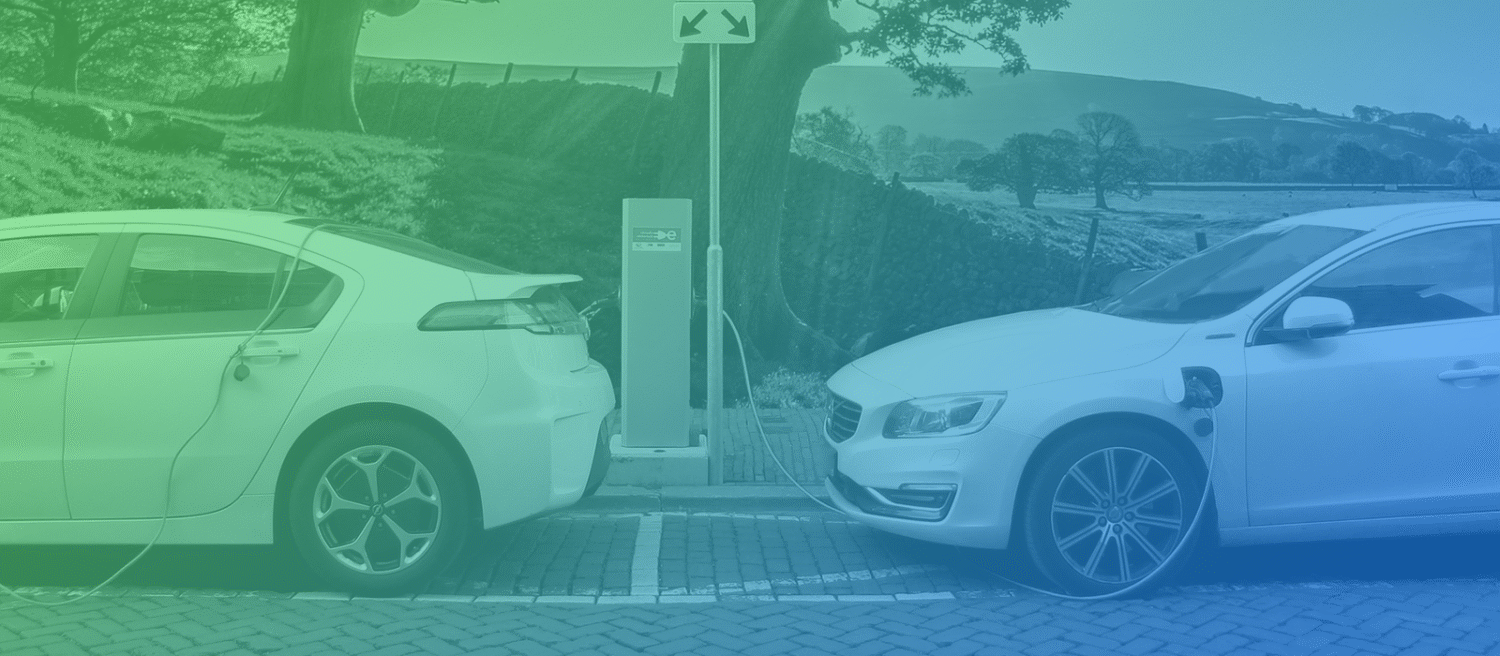
When President Biden unveiled the American Jobs Plan, he put forward a $174 billion investment to “win the [electric vehicle] market.” But the bipartisan infrastructure deal the White House celebrated last month contained only $15 billion in investments for electric vehicles, split between charging infrastructure and buses. This paltry sum agreed to by Republican senators is not only a tiny fraction of what President Biden committed to, but it is also woefully inadequate to fully seize the opportunities presented by electric vehicles or to meet Biden’s own climate goals.
Now, especially amid rumors that ongoing negotiations may even bring the total for clean vehicles in the bipartisan package below $15 billion, Democrats in Congress must fill the gap in budget reconciliation with at least $159 billion toward the production and adoption of electric vehicles. Budget Committee Chairman Bernie Sanders has already committed to “very significant” investments to make clean cars affordable for more Americans, but the reconciliation bill must go even further than that.
Jul 27, 2021
Becca Ellison
Enter your email to download pdf
5 Clean Cars Investments Congress Must Include in Reconciliation to Meet President Biden’s Commitments
Transportation contributes more pollution to the climate crisis than any other sector of the American economy, responsible for 29% of our overall greenhouse gas pollution in 2019. And within the transportation sector, light duty vehicles—cars and trucks—make up well over half of the pollution. This means passenger cars are the most climate-polluting part of the most climate-polluting sector of the economy. But we can change that.
Clean car investments are crucial for addressing the climate crisis and meeting President Biden’s climate commitments. In fact, swift deployment of clean cars could get us nearly a quarter of the way to President Biden’s pledge of a 50-52% reduction in domestic greenhouse gas pollution by 2030. Robust EV investments would be the second greatest driver of decarbonization in the reconciliation bill, after a Clean Electricity Standard.
Clean car investments provide a critical opportunity to combat the climate crisis, address pollution in disadvantaged communities, dominate the global EV market, and build a clean energy economy with millions of jobs.
In addition to their climate benefits, clean cars present several other critical opportunities—they can reduce toxic air pollution that disproportionately sickens communities of color, and kickstart a manufacturing revolution that puts Americans to work in good-paying jobs and provides a better product to all consumers. And electric vehicles can give every American driver their own energy independence, freeing them from ever having to fill up at the gas station pump again.To realize these opportunities, Democrats in Congress must pass robust clean car investments this summer. Investments in the 5 areas below, coupled with the administration’s full use of existing regulatory authorities, can build America’s clean car future:
Equitable Consumer Incentives for Electric Vehicles
Clean Car Manufacturing
Clean Car Charging Infrastructure
Federal Fleet Procurement
Clean Electricity
The Biden administration and Democrats in Congress cannot settle for less than what is necessary. Driving toward a future of clean cars—a future with less pollution and more jobs—requires bold and ambitious investments, immediately. This memo explains what Congress must do, and why.