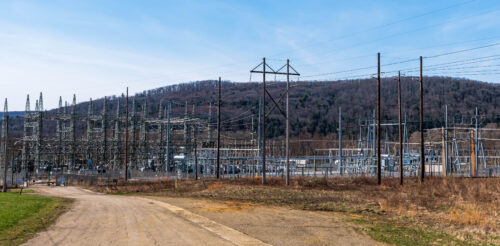
This report offers the Environmental Protection Agency (EPA) actionable recommendations to develop appropriate compliance plans that reduce pollution and can serve as the foundation for further federal efforts. It also provides state and local air permitting authorities a list of actions they can immediately take to simultaneously address air permitting concerns in overburdened communities alongside EPA.
The Inflation Reduction Act (IRA) has supercharged zero-emission technologies; now it’s time for the air permitting programs that cover nearly every big pollution source to scale up clean technology everywhere. Ensuring air permit writers, who control these polluting facilities, can require zero-emission technologies will also help respond to urgent calls from environmental justice advocates to end the unfair pollution burden on low-income communities and communities of color. By combining IRA investments with modernized CAA tools, we can accelerate positive change at facilities nationwide and address the racist and classist pollution burdens too many still face.
Mar 13, 2024
Craig Segall and Cassie Lopina
Enter Your Email To Download PDF
Accelerating the Clean Air Act's Innovation Engine
For decades, Clean Air Act (CAA) air permitting programs have regulated harmful air pollution from industrial and power facilities. Congress designed the air permitting system to protect communities from local pollution and adopt cleaner technologies over time. However, the program is being held back by decades-old guidance documents that slow down progress. These documents allow industry to make minor improvements using older pollution controls, rather than using the truly clean technologies available today.
Executive Summary
It’s time to scale up clean technology across the country, reduce emissions from existing factories and power plants across the country, roll out new zero-pollution facilities, and mitigate health risks in communities burdened by air pollution. But the underlying legal architecture federal and state governments use to permit facilities that emit air pollution is decades out of date. And it’s holding back permitting agencies from fully realizing the work they can do to move us forward. Without reforming the outdated permit system, we will lose key tools to accelerate air quality improvements in overburdened communities and implement substantial new climate technology investments at the necessary scale to meet our public health and climate targets.
Almost every major industrial and power facility requires Clean Air Act (CAA) permits and corresponding state air permits, and the permitting process is supposed to require the best available technology to clean up pollution at each site. But in reality, this isn’t happening because the permitting process is riddled with loopholes and rarely requires truly clean zeroemission technologies. Permitting agencies can and will do better, but the programs they work with need an update to match modern zero-emission technology. This report proposes key fixes to that creaking legal architecture to meet the climate and health crises we face in our current moment. Under the existing system, communities are exposed to unfair levels of cumulative air pollution from poorly permitted facilities, and new technologies and climate investments do not spread as fast as they should. Our core recommendation is that the air permitting system must be updated to promote truly clean technology and help clean up communities.
Those permitting programs should be the key tool that takes clean technology from pilot projects to national roll-out. The good news is that the Environmental Protection Agency (EPA), and state permitters, can take action, without waiting for Congress, to make sure our core air permitting programs actually scale up clean technology—and they can start now.
What Needs Fixing
The core problem is that the permitting programs have not caught up with modern technology or properly focused on using that technology to eliminate long-standing and unfair disproportionate pollution exposure in many communities. The programs are administered with doctrines and legal tools that assume factories and power plants will almost always burn fossil fuels like coal, oil, and gas, and that air permit writers just need to clean up smokestacks as best they can. The same tools rarely properly account for cumulative air pollution exposures. That means permit writers cannot do their best work to address pollution in communities, since the systems they use need updates. After all, the reality is that technologies are rapidly becoming available to eliminate smokestacks altogether, especially in the communities that are most burdened now.
Most polluting facilities can now be electrified with renewable energy or otherwise eliminate fossil fuel combustion dramatically reducing pollution these facilities are dumping onto communities and our climate. But as long as the databases and guidance documents constraining permitting agencies are stuck in the past, these new technologies are not being required and our industrial and power facilities do not receive the pointed regulatory scrutiny they need to clean up.
Instead, permitting agencies have been forced to rely on decades-old combustion-era documents and doctrines that are regularly deployed by lawyers for polluting industry against community members. Unbelievably, modern facilities are being permitted using a “draft” permitting manual that EPA developed in 1990. That manual—a blurry PDF file on an obscure website—is still the go-to reference for the program. Likewise, EPA’s last guidance documents on technologies to reduce greenhouse gas (GHG) pollution in permitting date from the Obama administration. And its database of technologies is rarely updated, hard to use, often does not contain clean alternatives, and does not reflect the Inflation Reduction Acts’s (IRA) major new investments. Even worse, the actual permitting program is riddled with loopholes, meaning that many polluting facilities avoid even entering the process in the first place. All of these stale constraints mean that dedicated air permitting staff simply cannot do their best work.
The result? Although air permitting is supposed to require the “best available control technology” at big new and modified facilities, state and federal permitters are stuck scrubbing metaphorical smokestacks when they should just be putting up solar panels. Because permitting doctrines and tools are stuck in the past, communities stay polluted, and new technologies do not spread.
How We Can Move Forward
It’s time to take the blinders off air permitting agencies and make sure agencies and advocates have the technical language and tools they need to insist on clean technology. That means removing ancient permitting doctrines and guidance doctrines and updating databases to show that clean technologies are truly available. Dedicated state and federal resources to updating the system would bear major dividends by ensuring the permitting system can perform in the way that it needs to. We recommend core actions that EPA and local permitters can take through updates to internal guidance and databases that we discuss below.
The core priorities need to be:
Close permitting loopholes – EPA and local permitters need to close loopholes that keep polluting facilities out of the system altogether, as we seek to quickly deploy clean technologies at scale.
Make clear that clean technology must be required in permits – EPA must urge permitting agencies to move further than cleaning up smokestacks and instead to require zero-emission technologies
Make it easy to identify clean technology – The old technology databases at EPA and local agencies should be updated to list clean technologies available at key industrial and power sector polluting facilities. 6 Accelerating the Clean Air Act’s Innovation Engine
Increase public transparency – Air permits should be published publicly, ensuring that good ideas advance and scale up nationally.
Prioritize addressing local impacts – EPA and local permitters must emphasize their core civil rights and environmental justice obligations in their permitting decisions and enforcement reviews, making clear that permitters can take these considerations into account in shaping permits or denying them in overburdened areas.
It is time to make our air permitting system work for everyone. Congress set up the CAA’s programs to protect us all, but they can only do that if we update them for our century. That work can start now.
How to Use This Report
This report’s goal is to daylight these issues for ordinary people, advocates, and communities, and provide targeted recommendations to begin fixing the permitting system. Permitting agencies ultimately want to drive the air quality and climate improvements that come with clean technology, but they need the tools to do so.
Because the system’s regulatory guts are so complex and hard to access, we have provided detailed technical doctrines and examples of permitting failures in a series of technical appendices but have kept the main body of this document as free as possible of jargon and technical citations. Interested readers can turn to the appendices cited in the main document for much more on particular issues, as needed. Those appendices are:
Appendix 1: Technical Permitting Overview This appendix provides a more technical description of key permitting and air quality programs.
Appendix 2: Flaws in Air Permitting – Technical Specifics and Case Studies This appendix describes the flaws described in this report in technical terms. It includes examples drawn from public documents where the system has produced bad results, but which could be fixed with the reforms suggested in the report.
Appendix 3: Upcoming Actions Heightening the Need for Reform This appendix provides the larger policy context for reform, including the importance of permitting reform to support IRA and standard-setting processes.
Appendix 4: Technical Reform Recommendations This appendix describes technical implementation pathways for the reforms described in the report.
Appendix 5: State and Local Exemplar Reforms This appendix describes permitting and air quality planning reforms recently implemented in several leading states which may serve as national examples.
Inside The Full Report
Understanding—and—Fixing Air Permitting
Fundamentals of Air Permitting
What’s Gone Wrong
Recommendations
Close Permitting Loopholes
Makes Clear That Clean Technology Must Be Required in Permits
Make it Easy to Identify Clean Technology
Increase Public Transparency
Prioritize Addressing Local Impacts
Technical Permitting Overview
Air Permitting Requirements
Climate Programs and Air Permitting
Environmental Justice Initiatives Related to Air Permitting
Civil Rights (Title VI) Requirements in Air Permitting
Flaws in Air Permitting—Technical Specifics and Examples
Loopholes Allowing Avoidance of Triggering Program Requirements
Insufficient Consideration of Clean Technologies
Reliance on Outdated and Insufficient Review Approaches
Inadequate Cost Evaluations
Dependency on Resource Intensive Enforcement Actions
No Clear Regulatory Mechanism to Address Adverse Impacts