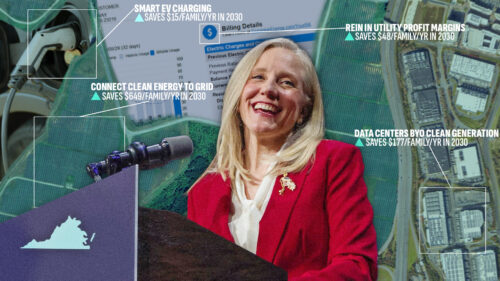
Electricity bills are going up across the country. Artificial intelligence data centers are driving higher electricity demand, while the supply of new power is struggling to keep up. Long permitting processes and yearslong interconnection queue delays are holding back cheap, clean power projects that could meet this growing need. New technologies, like customer-owned solar and storage or smart appliances, are not being fully taken advantage of to meet new demand.
Monopoly utilities are also making record profits at the expense of everyday customers, while data center companies are passing the costs of their power needs onto the rest of us. These corporations are making a killing while families struggle to keep up with rising utility bills. And lack of preparedness for climate-driven natural disasters, from wildfires to storms, is making all of this worse.
Decision-makers should act quickly to provide immediate relief to ratepayers while also advancing the long-term reforms that will usher in a more efficient, cleaner grid that keeps costs down for the long haul. States are well-positioned to act on both fronts, and they should. Coupling immediate ratepayer relief with systemic reform presents an opportunity to deliver meaningful change that will be good for ratepayers, our economy, and our climate.
A two-fold policy playbook: Immediate relief paired with longer-term reforms
Decision-makers must act on two fronts: near-term ratepayer relief, and the longer-term systemic reforms needed to transform our grid into a low-cost, high-efficiency clean energy system. Here are policies to consider under each:
Near-term ratepayer relief
Protecting customers from data center electricity demand costs
Direct financial support
Longer-term reforms to deploy clean energy and modernize our grid
Make it easier to build cheap, abundant, clean energy
Addressing sky-high utility profits
Investing in grid resilience from natural disasters
Immediate ratepayer relief
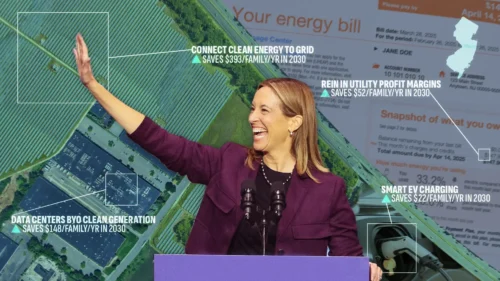
People need help, and they need it fast. State leaders should act quickly to provide tangible relief from skyrocketing rates. New Jersey Governor Mikie Sherrill moved swiftly on this front with day-one executive orders, directing her administration to develop a plan to cover any cost increases ratepayers may face for one year and deploying solar and battery power to efficiently meet growing demand and keep costs low.
All state leaders should consider similarly expeditious action, including:
“States also must address the supply-demand imbalance leading to higher bills by requiring data centers to bring their own new, clean energy.”
Charles Harper
Deputy Policy Director, Power
Evergreen Collaborative
Longer-term, systemic reforms
At the same time, state leaders should seize this opportunity to initiate the longer-term, systemic reforms needed to modernize our grid and usher in a low-cost clean energy system. We need to make it much easier to build clean energy. And we need to overhaul the incentive structures for our utilities so they better align with investing in low-cost clean energy and grid modernization. Only by executing these more comprehensive reforms can we keep costs down over the long haul and usher in the high-functioning, low-pollution, low-cost grid we need.
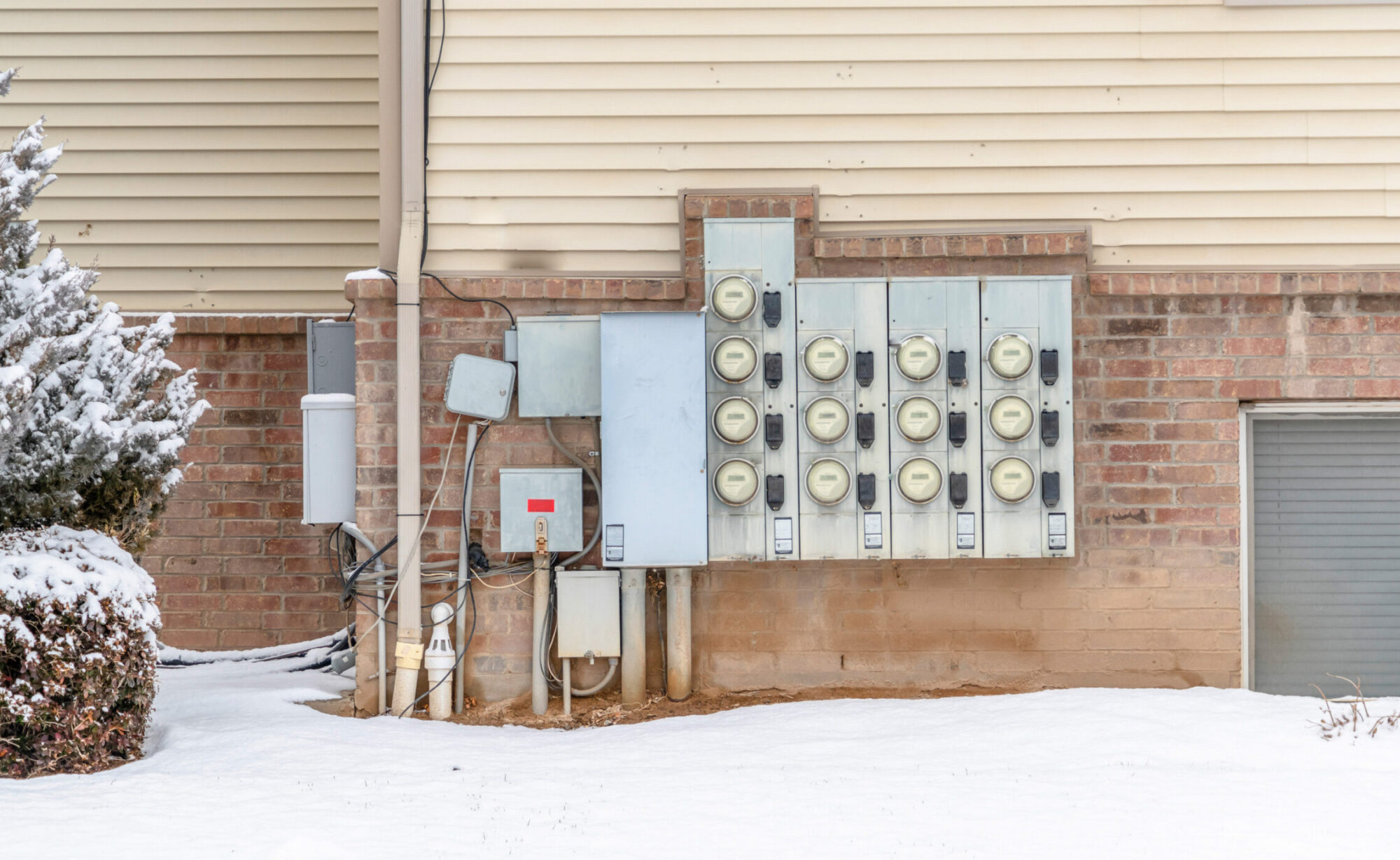
Image: Jason Finn via Getty Images
Energy affordability can be won in the states
Rising electricity demand presents a real challenge for state policymakers—but the solution is clear. Abundant clean energy is the cheapest and fastest way to bring new power online. By unlocking new technologies and cutting red tape holding back proven solar, wind, and storage technologies, states can meet the affordability and climate crises head-on. By making data centers pay their fair share and addressing inflated utility profits, states can show constituents they take this problem seriously. The power sector is at an inflection point: states have an enormous opportunity to tackle rising demand with cheap, clean energy—and spare their residents from decades of gas pollution and high prices.