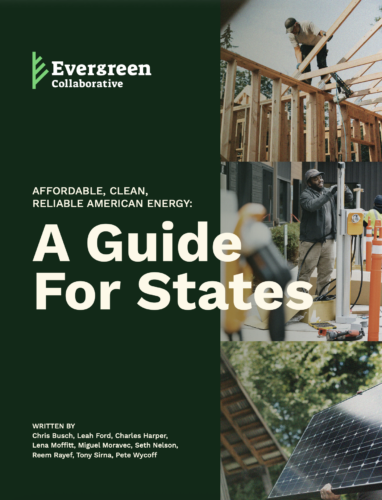
The housing and energy affordability crises are connected—and so are the solutions. (Image: Ryan J Lane via Getty Images)
If you’re struggling to find housing you can afford—or feeling squeezed by high utility bills on top of your rent or mortgage—you’re not alone, and you’re not dealing with two separate problems. For millions of American families, housing and energy costs are two sides of the same affordability crisis. More than 42 million U.S. families spend more than 30% of their income on housing. For one in four renters, it’s more than half. And the homes many families can afford are often older and expensive to heat and cool, making the financial squeeze even tighter.
State leaders can address housing and energy costs at the same time. By building more homes, making them cheaper to live in, and cutting wasteful spending that drives up utility bills, states can lower costs across the board. And they can make the false choice between affordability and a more efficient, sustainable home a thing of the past.
The Double Squeeze: Not Enough Homes, and the Ones We Have Cost Too Much to Heat
The U.S. is short by between four and seven million homes, the result of a construction slowdown that has left a growing population competing for fewer and fewer options—pushing prices and rents higher year after year. The country needs to build 11 million new homes in the next decade just to keep up with demand. Until that happens, teachers, childcare providers, and service workers will continue to struggle to find homes near where they work.
At the same time, the homes Americans do have are often unnecessarily expensive to heat or cool. Gas utilities are spending billions to upgrade and expand an aging pipeline system—and passing those costs directly to customers. Household gas bills rose four times the rate of inflation in 2025. As more families switch away from gas to more efficient heating, fewer customers are left sharing the cost of keeping that infrastructure going—so the per-customer cost keeps climbing.
Build More Homes—By Making It Legal and Easy to Do So
Most of America has zoned itself into a housing shortage. It is currently illegal to build anything other than a single detached house on three-quarters of all residential land in the country. States can change that by requiring cities and towns to allow a wider range of housing types—duplexes, townhomes, small apartment buildings, backyard cottages, and other affordable options—in existing neighborhoods. Oregon was the first to act, banning single-family-only zoning in 2019 and requiring cities of 25,000 or more to allow duplexes, triplexes, and townhomes everywhere. More housing options lower rents for everyone and give more families a path to homeownership.
Parking requirements are quietly making housing more expensive.Most cities require a minimum number of parking spaces for every new home built—a rule that adds an average of $50,000 to the cost of building each unit and raises monthly housing costs by $200 to $500. Eliminating or reducing parking minimums can boost homebuilding by up to 70%. Montana recently passed a law capping parking requirements in cities across the state—a practical, low-cost reform that will lower the price tag on new housing. Fourteen states and hundreds of cities have passed similar reforms.
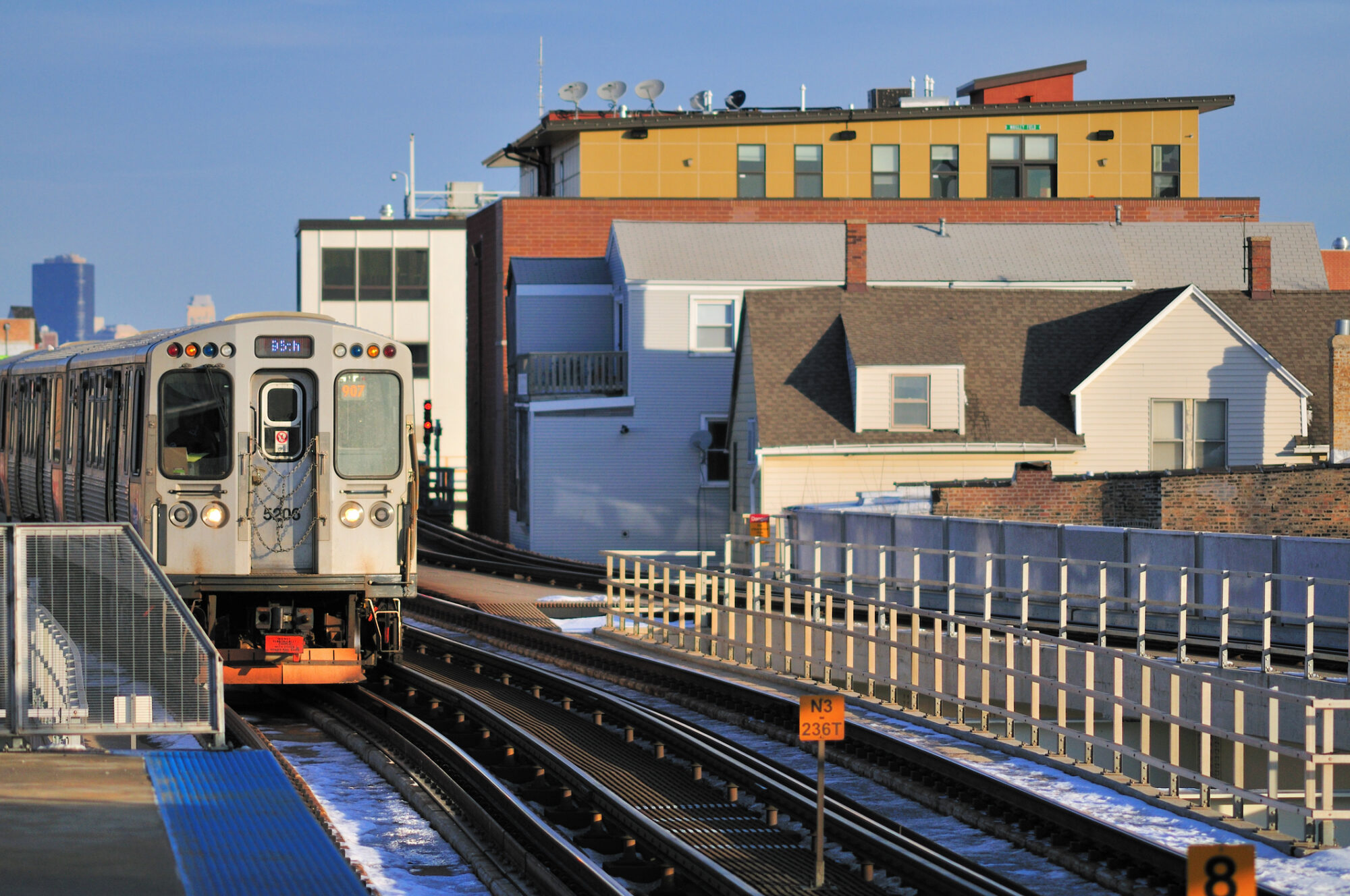
Where we build matters as much as how we build. Building more homes in existing neighborhoods near jobs, transit, and services cuts commute times, lowers transportation costs, and reduces the need for a car for every trip. More compact development also cuts pollution—as much as if half the country’s new vehicle sales were electric by 2035.
Where we build matters: putting homes near jobs, public transit, and services can cut commute times, lower transportation costs, and reduce the need for a car for every trip. (Image: Bruce Leighty via Getty Images)
Make New Homes Cheaper to Live In
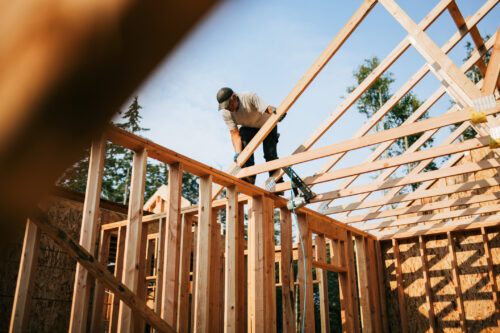
Stronger building codes save families thousands of dollars. Homes built to up-to-date model energy codes can save households up to $15,000 over the lifetime of the home through lower utility bills. Stronger codes have also been shown to prevent up to 80% of deaths caused by extreme heat. At least seven states have updated their codes to meet or exceed the most current international standard. Critically, stronger codes don’t slow down homebuilding or push development elsewhere—they just mean the homes we build are cheaper and safer to live in.
All-electric homes cost less to build and less to operate. All-electric homes are actually $7,500 to $8,200 cheaper to build—and they protect owners from volatile gas prices and avoid the cost of retrofitting later. Massachusetts offers optional “stretch codes” that require greater energy efficiency and strongly encourage all-electric design, delivering $11,000 to $28,000 in up-front cost savings, plus up to $1,053 in annual bill savings. New York became the first state to adopt all-electric building codes outright, and California strongly incentivizes all-electric construction through its energy code.
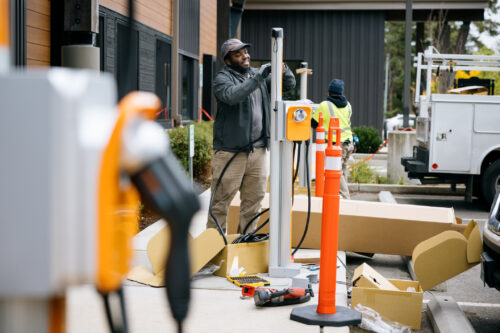
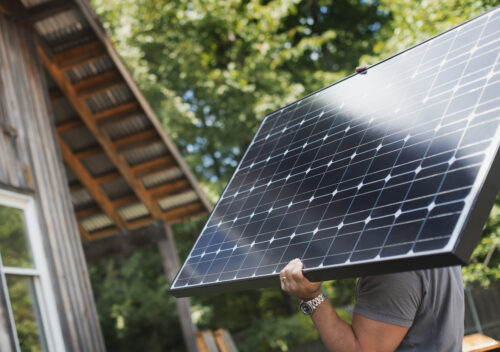
Efficient homes can even put money back in your pocket. Homes with rooftop solar, batteries, and smart appliances can supply power back to the grid when demand is highest—reducing the need for expensive new power plants and cutting systemwide electricity costs by up to 20%. States should support virtual power plant programs that connect and coordinate these home energy resources and compensate households for their contributions. (For more on how these programs work, see our companion blog, Clean Energy Is Cheap Energy: How States Can Rein In Sky-High Electric Bills.)
$15,000Total savings in utility bills over the lifetime of a home, if built with up-to-date model energy codes American Council for an Energy-Efficient Economy (ACEEE)
Help Families Upgrade the Homes They Already Have
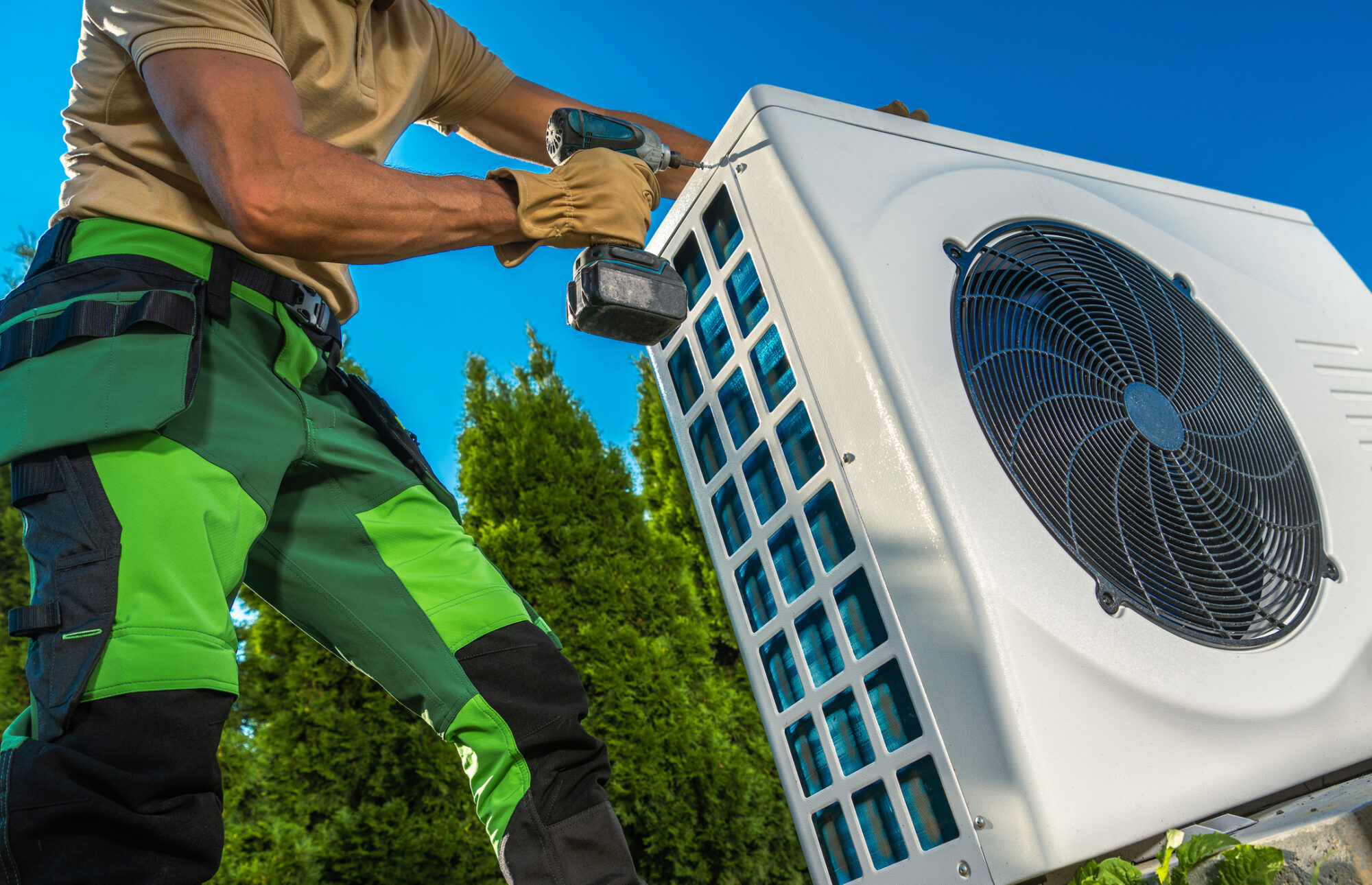
More than 80% of homes would see their utility bills drop with a heat pump. For families heating with propane or fuel oil, switching can save nearly $970 annually. Families using older electric resistance heating can save even more—up to $1,530 annually. Switching to a heat pump water heater can add another $230 to $550 in annual savings.
The barrier is often the up-front cost—and states have tools to help. North Carolina’s Upgrade to $ave program lets customers get insulation, heat pump upgrades, and other improvements with little or no up-front cost, repaying the cost over time through their bill savings. Colorado’s clean heat standard requires gas utilities to reduce climate pollution by providing rebates and incentives to customers switching to heat pumps and other electric alternatives. And New York has proposed requiring data centers to fund household energy upgrades in exchange for the massive electricity demand they place on the grid—an approach that could help 19 million households across the country afford cleaner appliances.
Image credit: welcomia via Getty Images
Stop Wasting Money on Infrastructure That’s Past Its Prime
Gas utilities have a built-in incentive to keep profiting from a declining system. They make money not by selling gas but by installing pipes. As customers switch to heat pumps and electric appliances, the remaining gas customers are left paying more and more to maintain aging infrastructure. States should require utilities to plan honestly for this transition rather than pouring money into a declining system.
One concrete step states should take is to end rules that allow utilities to charge existing customers to run new gas connections to additional buildings. This practice—known as line extension allowances—raises everyone’s gas rates while padding utility profits. Ending it could save customers $2 billion to $7 billion annually. Colorado stopped this practice in 2024, saving ratepayers an estimated $39 million annually; California has done the same.
States should also require utilities to consider electrifying entire neighborhoods rather than automatically replacing old gas pipes street by street. New York requires this kind of planning, and one utility there now offers homeowners up to $20,000 to electrify rather than stay on gas.
Fix the Electricity Rates That Penalize Heat Pump Users
Here’s a problem many people likely don’t know about: homeowners who install heat pumps are often overcharged for electricity. Most electric grid infrastructure is sized to meet summer air conditioning demand—the peak time when everyone is running their AC at once. Heat pumps use electricity in winter, when the grid has plenty of spare capacity. But current electricity rates don’t account for that, so heat pump owners end up paying for grid capacity they aren’t actually straining.
Massachusetts fixed this in 2025 by requiring all utilities to offer discounted winter electricity rates to heat pump customers. Studies show that nearly two-thirds of homes save an average of $540 annually under the new rates. Illinois offers similar discounted rates for electric heating customers, saving them nearly 40% on their bills.
Home is Where the Savings Are
The housing and energy affordability crises are connected—and they have connected solutions. More homes bring rents down. More efficient homes bring utility bills down. And stopping the cycle of pouring money into expensive, aging gas infrastructure keeps those bills from climbing back up.
State leaders don’t have to choose between building more affordable homes and building more resilient, energy-efficient ones. They can—and should—do both.
Get more information
Read more about this topic in our more comprehensive memo outlining critical opportunities for state-level decision-makers—including legislators, governors, and regulators—to advance smart policies that deliver economic relief and address climate change through cheap, clean power, efficient buildings, and affordable, accessible transportation.