The road to lower transportation costs runs through EVs and transit—not the gas pump. (Image: Ryan J Lane via Getty Images)
Transportation is the second-largest expense for the average American household. And unlike rent or a mortgage, much of it is tied to global oil markets that families have no control over. The average household spends more on gasoline than on natural gas and electricity combined. Every time oil prices spike—because of a war, a supply disruption, or a shift in global demand—family budgets take a hit.
But it doesn’t have to be this way. State leaders have real tools to lower transportation costs: by making cleaner, cheaper vehicles more accessible, ensuring communities are built in ways that reduce the need to drive for every trip, and investing in public transit that connects people to where they need to go. Lower transportation costs, cleaner air, and less climate pollution aren’t competing goals. They’re the same goal.
“Lower transportation costs, cleaner air, and less climate pollution aren’t competing goals. They’re the same goal.”
Electric Vehicles Are Cheaper to Own—and Better for Everyone’s Bills
Electric vehicles (EVs) cost less to fuel and maintain over their lifetime than gas-powered cars. As purchase prices continue to fall—the price gap between EVs and gas-powered cars narrowed to roughly $5,300 in May 2026, down from $6,500 just three months earlier—EVs are becoming a practical option for more families.
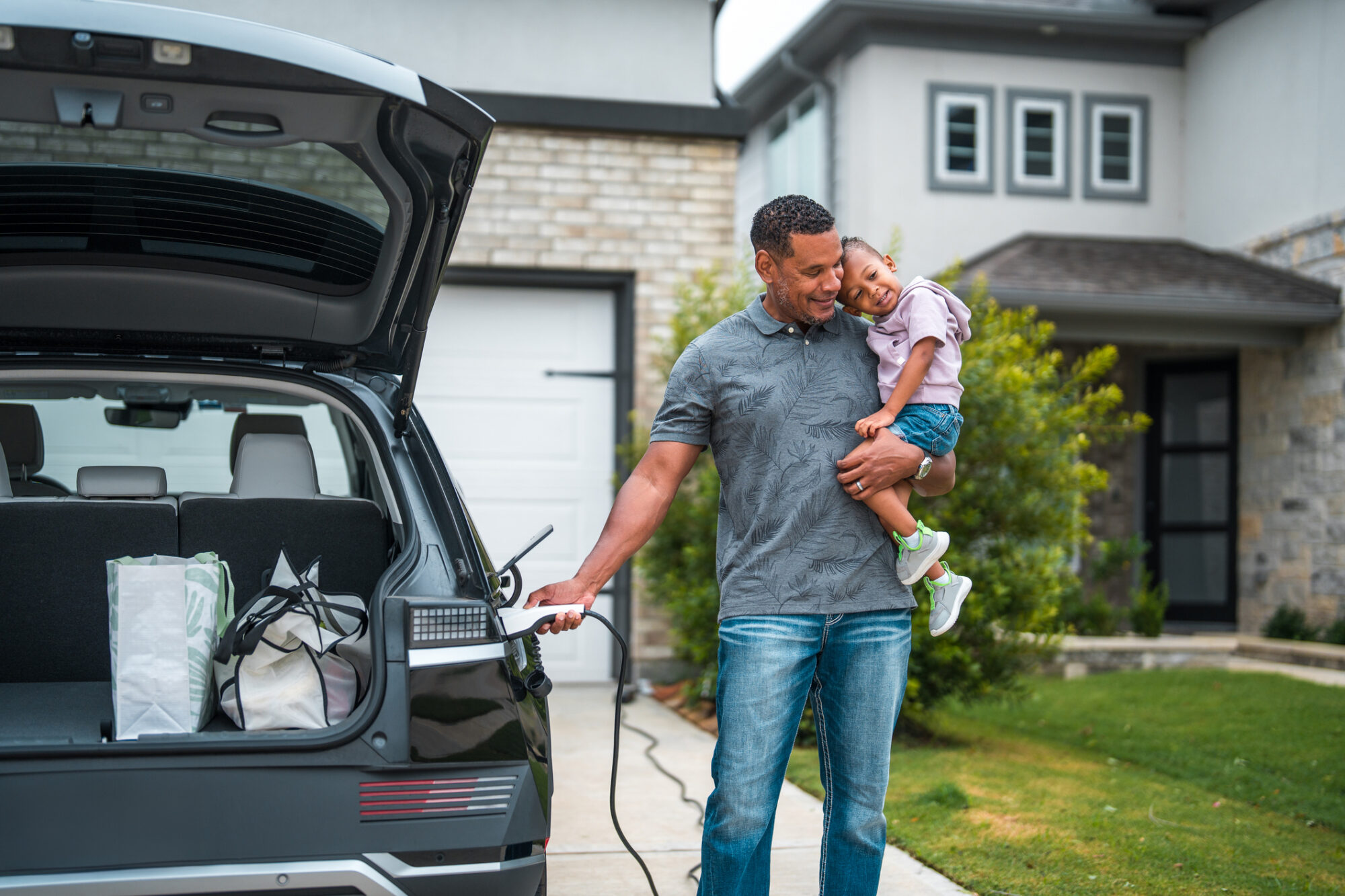
They also benefit drivers who haven’t made the switch yet. When more people charge their cars, it adds revenue to the electric system and helps spread fixed grid costs across more customers, quietly lowering electricity bills for everyone. EV charging has already saved electric customers $13.2 billion nationally through the end of 2025, according to Synapse Energy Economics. In Wisconsin, cumulative savings reached $52.4 million. In Pennsylvania and Michigan, more than $180 million each. In New Jersey, $280.5 million. And in New York, more than $640 million.
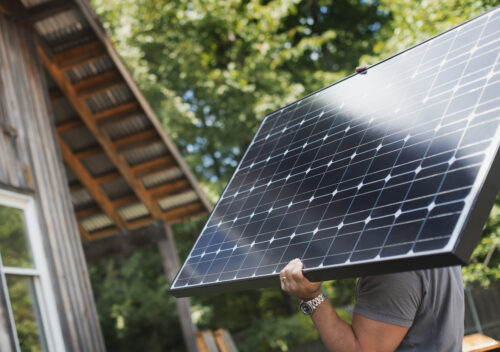
When more people charge their cars, it adds revenue to the electric system and helps spread fixed grid costs across more customers, quietly lowering electricity bills for everyone. (Image: AzmanL via Getty Images)
Make EVs and Charging Accessible to Everyone
The up-front purchase price remains the biggest barrier—and states can help close the gap. Point-of-sale rebates, refundable tax credits, and low-cost financing all reduce what families pay when they buy. An MIT analysis found that every $1,000 in purchase rebates increases EV registrations by roughly 8%—and incentives are especially effective for buyers with limited incomes. States should extend incentives to used EVs as well, since many families buy used cars. Limiting eligibility to first-time EV buyers and setting price caps to exclude luxury vehicles helps ensure public dollars reach the families who need them most.
Because state budgets are stretched, smart funding matters. One revenue-neutral approach charges a fee on traditional gas-vehicle purchases and uses the revenue to fund rebates for cleaner ones—a self-sustaining cycle that doesn’t require new spending. States can also stretch limited dollars through public-private cost sharing, as California is doing by requiring automakers to match state support dollar for dollar.
States should also make it easier for consumers to buy the vehicles they want, including by protecting direct-to-consumer sales. Bans on direct sales—which many states have on the books—protect legacy dealer models and put newer EV brands at a competitive disadvantage, making it harder for lower-cost vehicles to reach buyers.
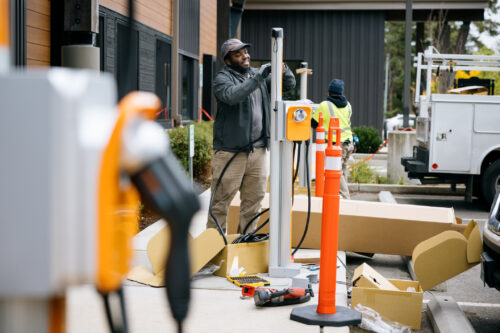
Charging infrastructure has to reach places private investment alone won’t reach. Owning an EV is only practical if you can charge it, and the market is building chargers in convenient, high-traffic locations—not necessarily where people actually live and work. States should prioritize charging access in low-income areas, rural communities, and apartment buildings. Everyday charging at home or at work is far cheaper per mile than using a highway fast charger—getting that daily infrastructure built is what makes EV ownership work for people who don’t have a garage.
States have several tools to make it happen, including grants, rebates, and on-bill financing. And because EV charging is transportation infrastructure—just like roads and bridges—states should treat it that way in their transportation plans and, where possible, redirect existing federal transportation dollars toward charging projects.
One practical, low-cost step is requiring new homes and commercial buildings to include EV-ready electrical wiring from the start. Installing it during construction is far cheaper than adding it later—retrofitting an existing building can cost three times as much.
Smart electricity rates can lower the cost of charging and benefit all customers. When EV owners charge at night—when electricity demand is low and the grid has spare capacity—it benefits the whole system. Rates that reward off-peak and flexible charging make it more affordable for EV owners while reducing strain on the grid during peak hours. For vehicles capable of sending power back to the grid, utilities should compensate owners for that contribution, turning parked cars into a community energy resource.
Michigan offers a strong model for other states. Gov. Gretchen Whitmer developed a comprehensive strategy that combines chargingdeployment and utility coordination. The results show up in ratepayers’ bills: Michigan EV drivers generated $187.8 million in cumulative savings for all electricity customers from 2011 to 2024. Colorado pursued a similarly comprehensive approach under Gov. Jared Polis, combining consumer tax credits, a large-scale charging grant program, utility-supported electrification investments, EV-ready building code requirements, clean truck programs, and transit bus electrification into one of the most complete EV strategies in the country.
Build Communities Where You Don’t Need a Car for Every Trip
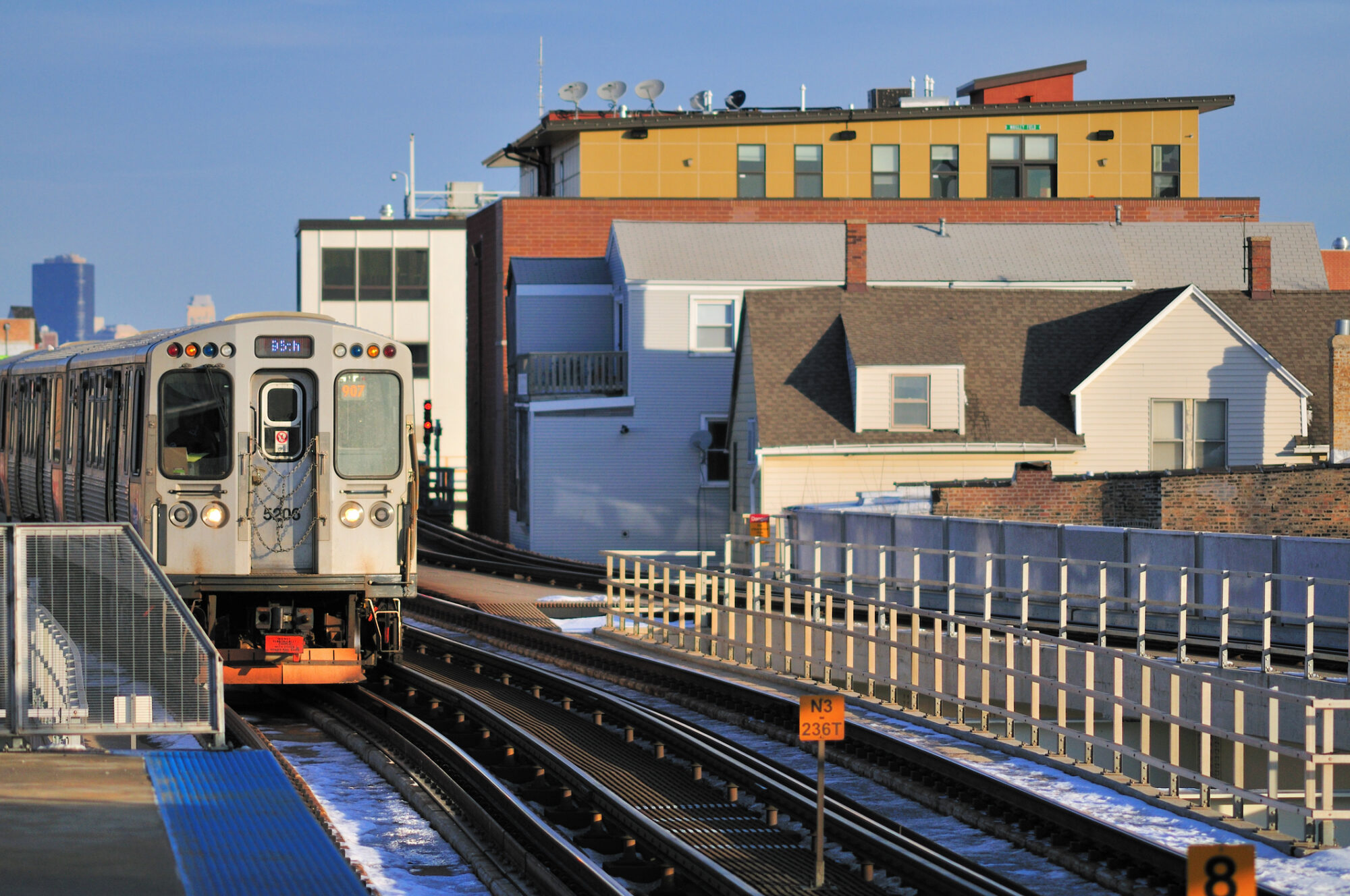
Private car ownership is the most expensive way to get around. When housing near jobs, schools, and services is scarce, families are pushed into long commutes—and all the costs that come with them. States that make it easier to build homes near transit reduce how much residents need to drive. More compact, connected communities cut transportation costs significantly, while reducing pollution and congestion.
Where we build matters: putting homes near jobs, public transit, and services can cut commute times, lower transportation costs, and reduce the need for a car for every trip. (Image: Bruce Leighty via Getty Images)
Maryland’s approach shows what’s possible. Gov. Wes Moore signed a transit and housing law in 2026 that unlocked more than 300 acres of publicly owned land near transit stations for housing, which could support over 7,000 new homes and generate an estimated $1.4 billion in long-term tax revenue. By encouraging more housing near transit, Maryland is reducing both housing and transportation costs at once. States should also prioritize eliminating parking minimums near transit stations, which spread destinations farther apart and undermine the walkable environments that make it easier to meet daily needs without a car. (For more on housing near transit, see our companion blog, Abundant, Efficient, and Affordable Homes: How States Can Lower Housing and Energy Costs At the Same Time.)
Invest in Transit—and Fund It Reliably
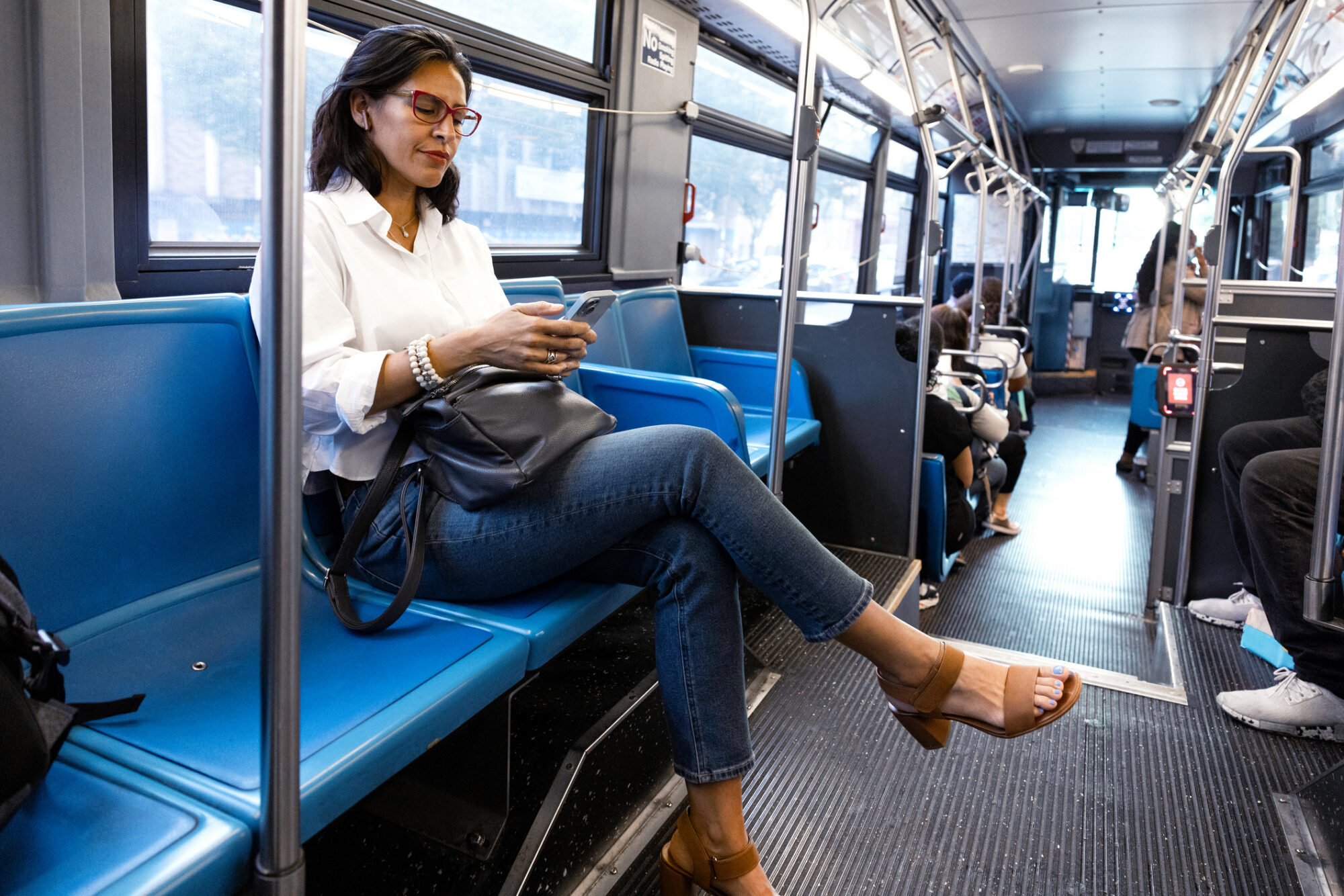
Transit that works is transit people use—and it saves them money. Public transit reduces household transportation costs, eases congestion, and improves access to jobs. But transit systems need stable, long-term funding to make the capital investments that make them useful. States have historically funded transportation through gasoline taxes, a revenue source that’s shrinking as vehicles get more fuel-efficient and EVs grow in market share. States need more durable alternatives.
Several are finding creative solutions. Fees on ride-hail trips, online retail deliveries, and rental cars can generate consistent revenue that reflects how people actually travel today. Colorado established fees on retail deliveries, rental cars, and oil and gas production to fund a new passenger rail and bus rapid transit network. Illinois Gov. JB Pritzker signed landmark transit legislation in 2025 that raised approximately $1.5 billion annually in sustainable funding by, among other measures, redirecting gasoline sales taxes and raising the regional sales tax—stabilizing operations, modernizing governance, and establishing a durable long-term funding base.
Pennsylvania offers both a strong model and a cautionary lesson. When pandemic relief funds dried up, SEPTA—the Southeastern Pennsylvania Transportation Authority, which serves Greater Philadelphia—faced severe service cuts and fare increases. Gov. Josh Shapiro took decisive action by reallocating (known as flexing) federal highway funding to transit operations—a move that demonstrates the substantial flexibility states already have under federal law to rebalance priorities. But for states without a permanent, dedicated funding source, such crises will keep recurring.
Spending transportation dollars smarter matters as much as raising more of them. Virginia’s SMART SCALE program requires all transportation projects—including highways, transit, rail, and pedestrian infrastructure—to compete on the same transparent, performance-based metrics, such as safety, congestion reduction, and accessibility. The result is more investment in high-return projects, such as transit and projects that combine different ways of getting around, and less on road expansions that don’t deliver. Virginia officials credited the state’s transportation network with helping land Amazon’s HQ2 in Northern Virginia. It’s a model for how states can get more value out of every transportation dollar.
Image: Leo Patrizi via Getty Images
The Road Ahead
Transportation doesn’t have to keep eating up a growing share of family budgets. EVs are already cheaper to operate over time, and making them accessible to more families brings down costs for everyone. Communities built near transit and jobs let families reduce how much they drive or even skip the car entirely. And transit systems with reliable, dedicated funding can deliver the kind of service that gives people a real choice about how they get around.
State leaders have the tools to give families the freedom to move affordably. It’s time they used them.
Get more information
Read more about this topic in our more comprehensive memo outlining critical opportunities for state-level decision-makers—including legislators, governors, and regulators—to advance smart policies that deliver economic relief and address climate change through cheap, clean power, efficient buildings, and affordable, accessible transportation.