Households are struggling with rising energy costs. This energy affordability crisis demands effective solutions that lower bills in both the short and long term. Energy efficiency programs are one of our best tools to do that—saving up to $4 for every $1 invested in programs.
Yet several states are considering raiding energy efficiency funds to pay for rebate checks to ratepayers. But raiding energy efficiency funding is penny wise and pound foolish. Rebates for ratepayers are a useful short term bandaid solution, but we’d all be better served by finding funding sources that don’t harm long-term affordability.
Energy efficiency programs SAVE ratepayers money
Energy efficiency funds create more in savings than they cost to run, and they lower costs across the grid even for households that don’t directly participate. Energy efficiency programs have been reducing energy demand across the country for years and have saved $800 billion for American households.
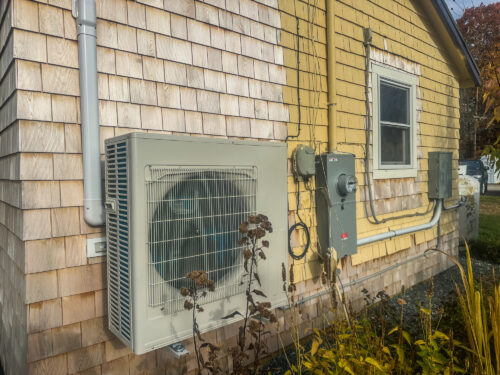
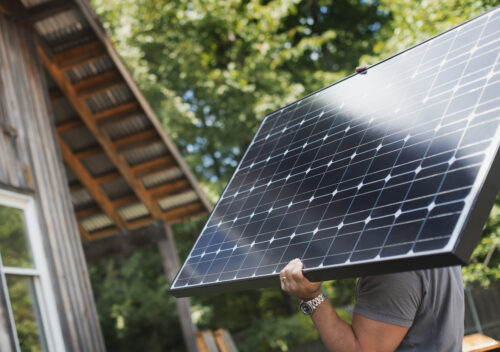
Energy efficiency programs cut costs throughout the energy system. Customers who participate get upgrades, like weatherization and efficient heat pumps, that reduce their consumption and lower their bills. This in turn lowers energy use across the system, including during demand peaks, which means we all avoid expensive infrastructure upgrades for distribution and transmission, reduce the use of expensive peaker plants, and even avoid having to build expensive new power plants. This lowers bills for all customers, not just those who upgrade their homes, saving up to $4 for every $1 spent on programs. These programs are especially vital to low- and moderate-income families, who often live in the least efficient homes, spend much more of their paychecks on energy, and can’t always access efficient heat pumps or rooftop solar.
Some efficiency programs do have room for improvements such as improving finance options to reduce overall program costs that are just going to utility profits, but that calls for reforms, not cuts to programs.
Unfortunately, these energy savings are not explicitly visible in people’s utility bills while the energy efficiency programs generally show up as a specific line item on bills. This makes those programs an attractive target for cost cutting by well-meaning but shortsighted legislators.
$800 billionTotal amount American households have saved thanks to energy efficiency programs energyefficiencyimpact.org
Raiding energy efficiency funding is counterproductive
Energy efficiency programs are one of the most cost-effective solutions we have to address the energy affordability crisis. Raiding them to pay for any policy aimed at cutting costs for ratepayers will only put greater costs on those same ratepayers in the future. If states cut energy efficiency, consumers will need to fund more expensive new power plants and grid infrastructure down the line to meet the additional demand that was not avoided through improved energy efficiency. This increases long-term costs. States need to find funding sources that don’t harm long-term affordability. This is especially problematic at a time when skyrocketing electricity demand from data centers threatens to drive up energy costs even further.
Where is energy efficiency under threat?
In states where energy bills have gone up, policymakers are looking everywhere for funding sources and ways to cut costs. At least two states have looked to raid energy efficiency programs.
For example, in Maryland, state lawmakers just cut its EmPOWER energy efficiency program. Lawmakers cut $640 million from the program, but because of multiplier effects, these cuts will actually result in extra costs of over $1.2 billion in higher household bills. This bill also raids $100 million from the Strategic Energy Investment Fund (SEIF) to fund one-time rebates to customers. This follows action in 2025, when the state took $200 million for a Legislative Energy Relief Refund. The SEIF is designed for clean energy and energy efficiency investments that cut bills for all customers and could otherwise be used to solve the supply-demand imbalance that is driving higher rates in the first place. Rebates, while a compelling short-term solution, do not address the root cause of higher bills—one that the SEIF could otherwise address.
Massachusetts is also considering $330 million in cuts to its energy efficiency program, Mass Save, that would threaten more than $2 billion in household savings. These cuts would hurt customers, increase climate pollution, and put long-term upward pressure on electricity prices.
What should states do instead?
Energy efficiency is a key affordability solution and a particularly cost effective one. Instead of cutting efficiency, states should look to other funding sources for short-term relief that don’t harm affordability—and work to execute solutions that bring down costs in the long term, too.
One alternative source of funding that would not harm efficiency: requiring the hyperscale data centers that are driving the energy demand-supply crunch to contribute to critical energy programs. That could include paying into community benefit funds, funding energy efficiency and clean energy programs that reduce peak load, or financing ratepayer relief efforts. Minnesota recently enacted legislation that requires data centers to pay fees which will go to support energy affordability program—and Illinois, Washington, and Wisconsin are looking to follow suit. New York is also considering requiring data centers to invest in residential heat pumps, solar, and batteries to offset their loads. And Google has agreed to invest in Xcel Energy’s residential battery program to reduce demand on the grid.
While energy efficiency does yield fast reductions in demand there are other no-regrets ways that states can lower energy costs immediately. States can require data centers to bring their own clean energy, rightsize high utility profit levels by correcting their returns on equity, and modernize siting and permitting to enable clean energy to be built faster and cheaper. States can also reduce gas utility bills by cutting subsidies for gas in new buildings by ending Line Extension Allowances, which could immediately save customers $2 to $7 billion. Utilities should also be required to consider lower cost “non-pipeline alternatives” (NPAs) for both gas mains and service lines, which can save gas ratepayers money by electrifying whole neighborhoods at once rather than wasting money to upgrade old pipes.
The bottom line
At a time of sky-rocketing demand and prices, cutting energy efficiency programs will make the problem worse, not better. States should be considering ratepayer relief while they pursue longer-term affordability reforms. But there are many better sources of funding than efficiency and clean energy funds. When folks are struggling to pay their bills and demand is skyrocketing, energy efficiency must be part of the solution.